
01
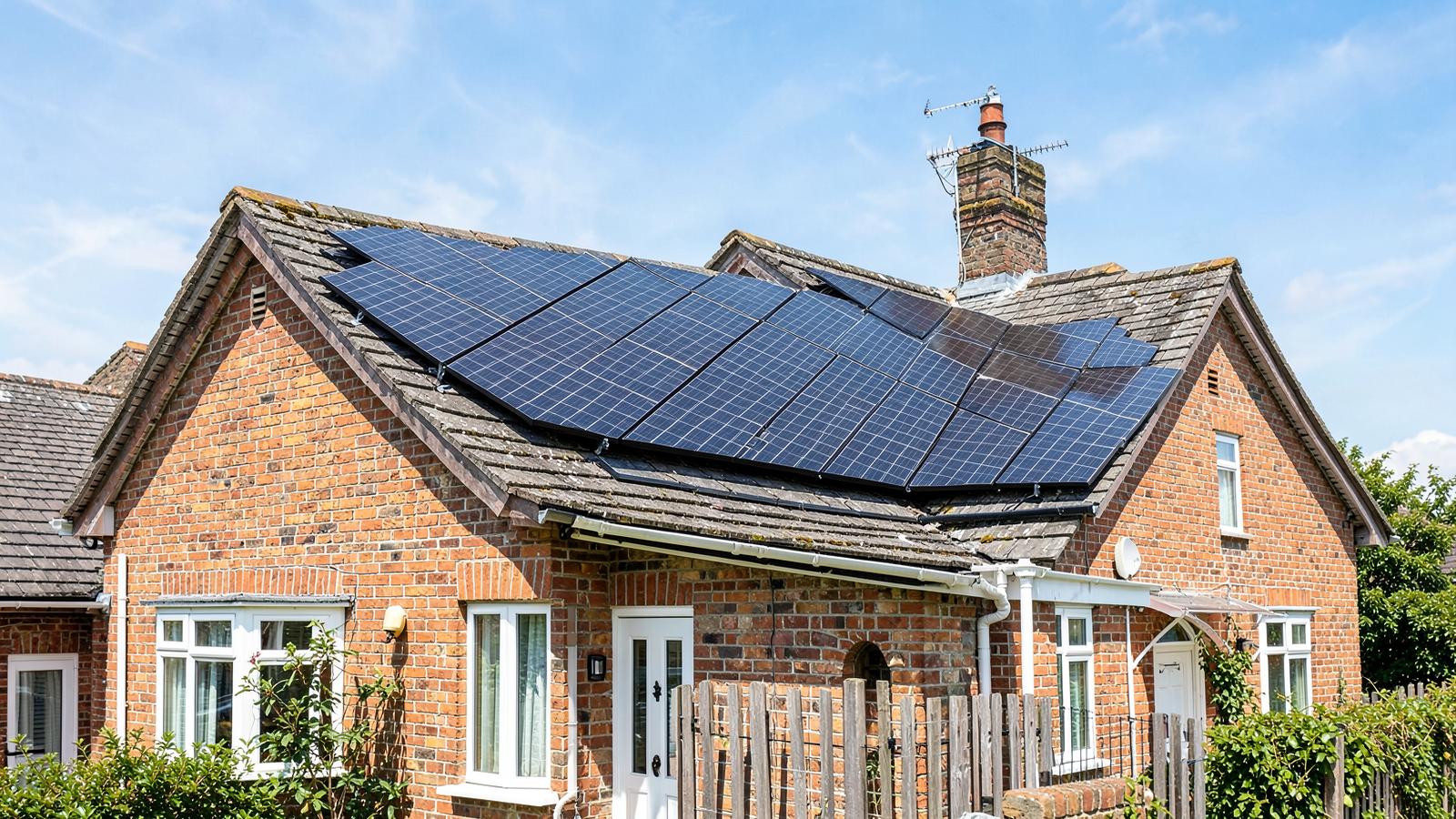
Panels capture daylight
Solar cells create direct-current electricity whenever sufficient daylight reaches the array.
Solar electricity designed around your roof
A properly designed solar PV system can reduce grid electricity use, support battery storage and earn export payments for eligible surplus generation.
How solar PV works
Solar cells create direct-current electricity whenever sufficient daylight reaches the array.
An inverter converts the panels’ DC output into AC electricity for appliances and household circuits.
Your home uses solar first; compatible surplus can charge a battery or flow to the grid.
Solar and storage range
Choose a starting point based on budget, usable roof area and evening demand. The final panel, inverter and battery models are confirmed only after technical design.
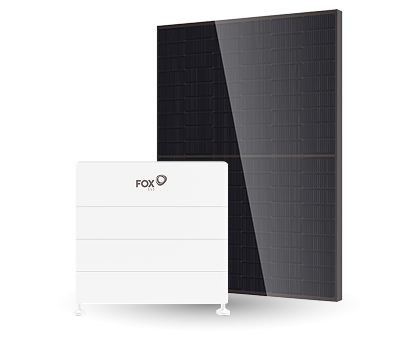
Value
A practical solar-and-storage pairing for households that want dependable generation, app-connected storage and room to adapt capacity to demand.

Premium
A design-led package combining all-black Perlight panel options with modular Duracell Energy storage for homes that may want to expand later.
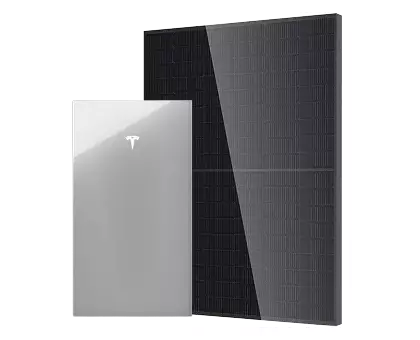
Higher demand
A higher-capacity option for suitable homes with larger evening loads, an EV, electric heating or a clearly defined backup requirement.
Product images are representative. Brand names and product marks belong to their respective manufacturers. Models, specifications and availability are confirmed in the written proposal.
System starting points
Bedroom count is only a rough guide. A useful proposal combines roof geometry, annual electricity use, daytime demand, future plans and local network requirements.
Compact roof
Often 6–8 panels
A practical starting point where roof area or household demand is modest. Final panel count depends on dimensions, obstacles and the electrical design.
Typical family home
Often 10–12 panels
A balanced layout for many homes, with the option to specify a hybrid inverter and battery when evening demand is important.
Higher electricity use
Often 14–18 panels
For suitable larger roofs and higher demand, including homes with an EV or heat pump. Grid export limits and phase capacity are checked first.
Panel counts are illustrative design ranges, not fixed packages or generation promises. Your written proposal confirms panel model, system rating and estimated annual output.
Solar suitability
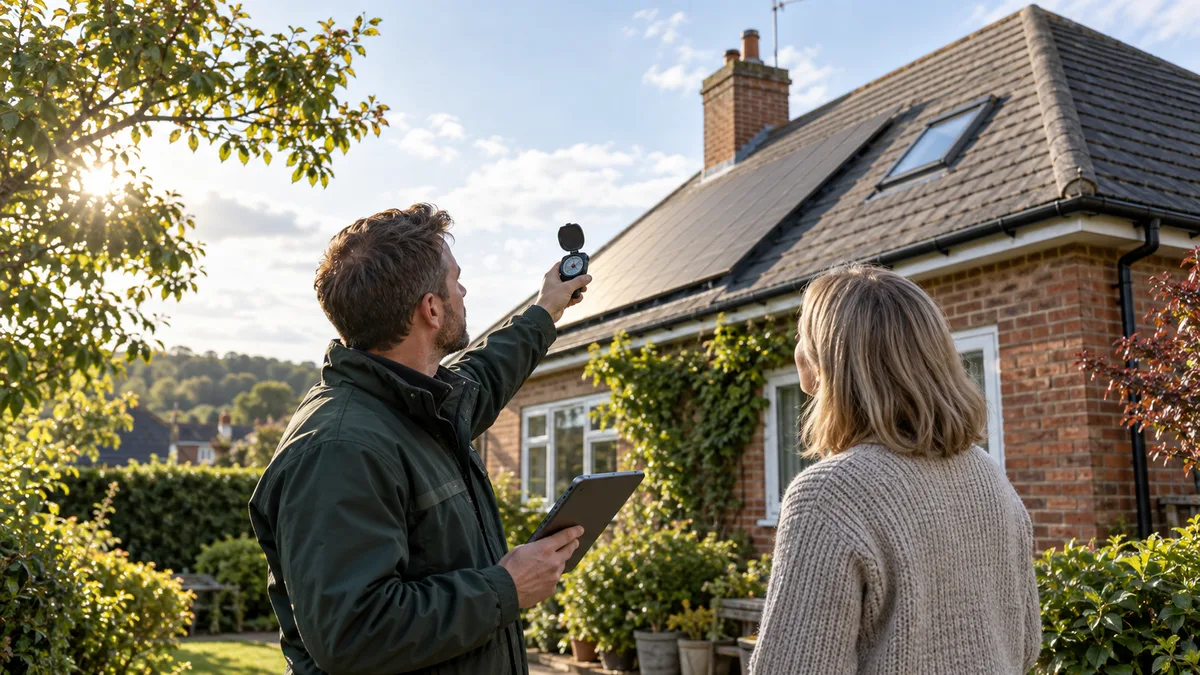
The survey checks roof covering, fixing zones and whether any repairs should happen before the array is installed.
Direction, pitch and seasonal shade are modelled so panels can be placed where they are most productive.
Chimneys, roof windows, ridges, edges and access requirements determine how many panels can be fitted safely.
Annual consumption and when power is used help size the array, inverter and any battery storage.
Solar on its own
The home uses available solar first. Surplus is exported, while electricity is imported whenever demand is higher than solar production.
Solar with a battery
A battery can store daytime surplus for later and may also charge from a suitable off-peak tariff. The economics depend on consumption, tariff and export value.
Benefits of solar power
Electricity generated and used on site replaces units that would otherwise be bought from your supplier.
A suitable smart meter, certified installation and an export tariff can turn measured surplus into income.
Solar PV produces electricity without combustion at the property and can support EV charging or electric heating.
Panel warranties can be lengthy, while inverters and batteries have separate service lives and warranty terms.
Your complete system
A quote should cover the equipment on the roof and the electrical, monitoring and handover work needed to leave a usable, documented system.
The confirmed panel array, roof-specific rails and fixings, and the agreed access and weatherproofing details.
A correctly sized string or hybrid inverter, DC and AC isolation, cabling and required protective equipment.
Generation monitoring and supported app setup so you can see production and identify unexpected performance changes.
Commissioning results, electrical documentation, DNO registration or approval, equipment details and warranty information.
Battery storage, scaffolding, roof repairs, consumer-unit work and export limitation are included only when listed in the confirmed scope.
Before you approve a proposal
Accreditations and consumer protection belong to the named installer and contract. They should be verified for your project rather than assumed from a product logo.
Confirm who will certify the electrical work and which registration scheme covers the installation.
Many Smart Export Guarantee suppliers ask for an MCS certificate or equivalent evidence before accepting an export application.
Panel, inverter, battery and workmanship warranties have different providers, durations and conditions. Keep each document.
The proposal should state the system size, estimated annual generation, shading assumptions and how savings were calculated.
From roof to generation
Step 1
Share your roof type, postcode, electricity use and whether you want battery storage.
Step 2
The roof, shade, electrics, cable route and proposed equipment are checked before the design is confirmed.
Step 3
The system is tested, monitoring is explained and the required handover and network paperwork is provided.
Solar FAQs
The final design and forecast should be specific to your roof, usage and electricity tariff. These answers cover the decisions most households meet first.
Tell us about the property and your electricity use. We’ll review suitable solar and storage options without treating a generic package as a final design.
Get a free solar quote