
Daytime
Solar powers the home
Surplus generation can charge the battery after current household demand is met.
Smarter home energy storage
Home battery storage can move electricity from when it is generated or cheaper to when your household actually needs it, with or without solar panels.
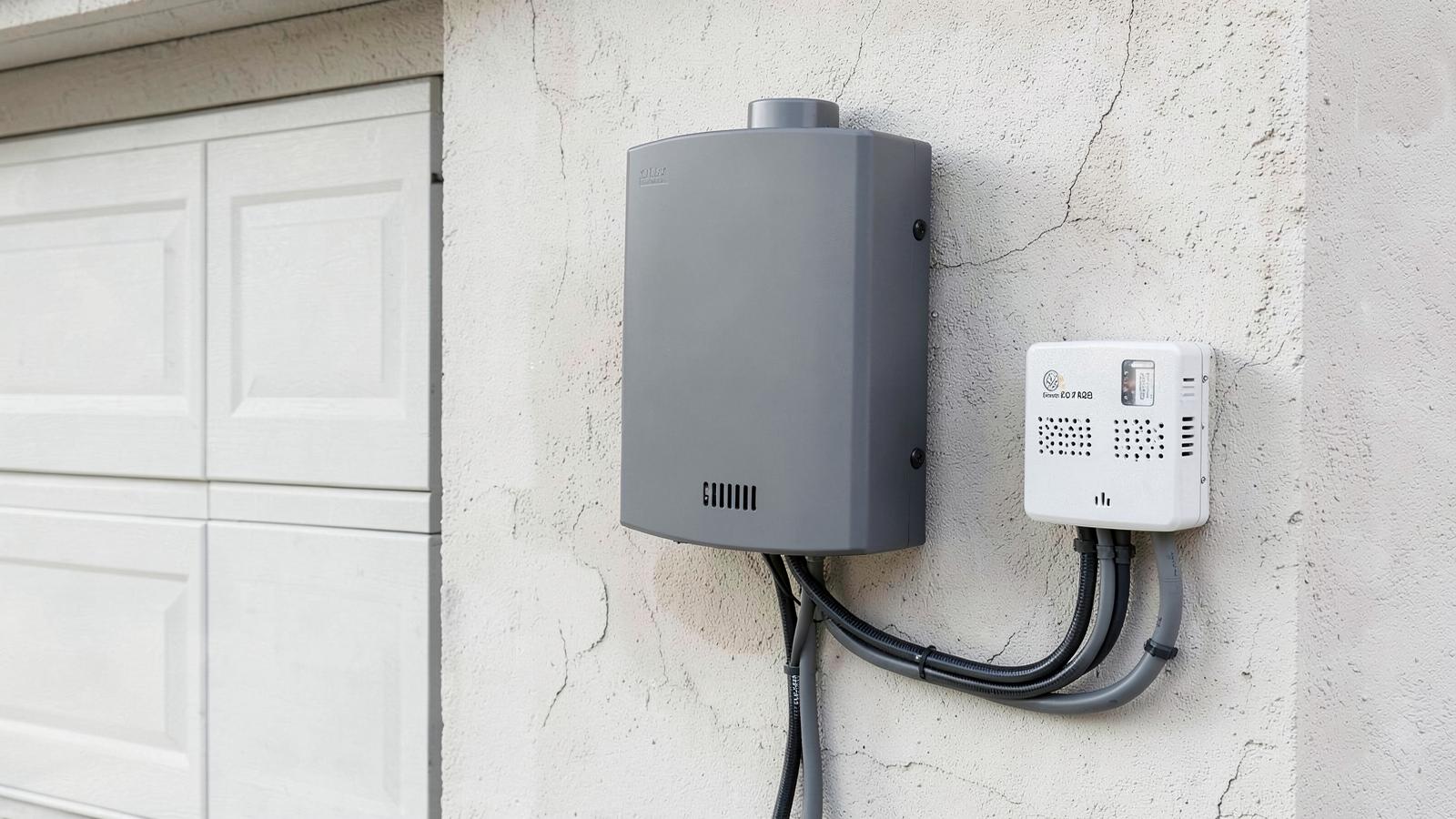
Energy across the day
Surplus generation can charge the battery after current household demand is met.
The battery can discharge as solar output falls, reducing electricity imported at peak times.
A compatible tariff and control strategy can replenish the battery when grid electricity is cheaper.
Battery options
These established product families illustrate the range available. Final equipment depends on capacity, output, inverter compatibility, location and backup requirements.
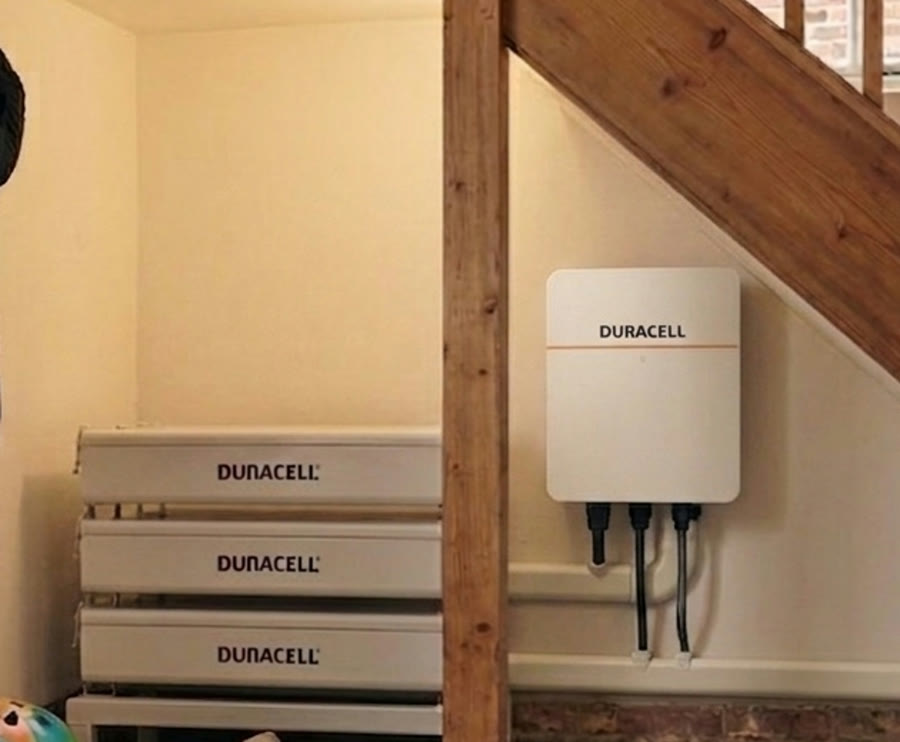
Duracell Energy
5.12 kWh per module
A modular lithium iron phosphate battery that can be wall-mounted or stacked, suited to homes that want to start around 5 kWh and expand later.
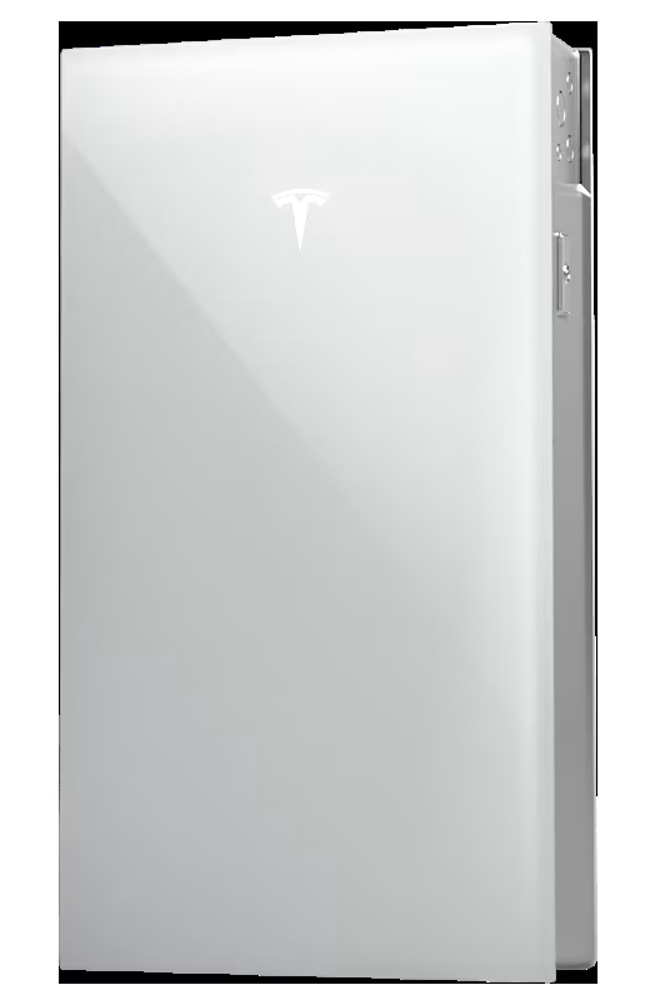
Tesla
13.5 kWh nominal energy
A high-capacity home battery with an integrated solar inverter, smart controls and optional backup configuration for suitable properties.
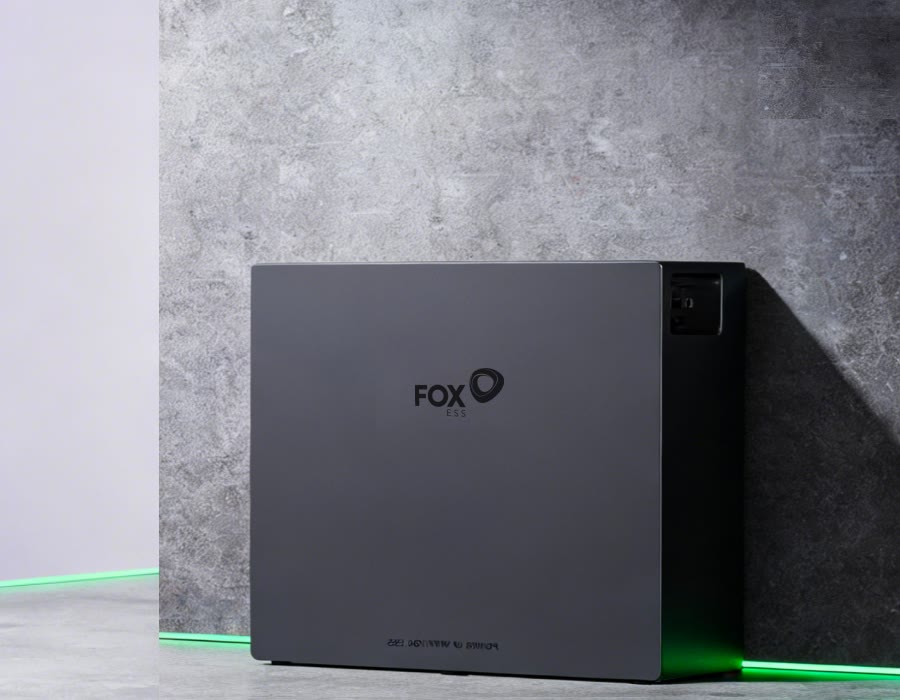
Fox ESS
Scalable LFP storage
Slim, floor-mounted battery options that can be paired with compatible Fox ESS equipment for solar self-consumption and tariff shifting.
Brand names and product marks belong to their respective manufacturers. Specifications, warranties and availability can change and are confirmed in the written proposal.
Capacity guide
The useful capacity is the amount of energy available; the power rating determines what the battery can run at once. Both must suit the property.
Around 5 kWh
A common starting point for modest loads, partial solar surplus or a phased modular system.
Around 10 kWh
Can suit homes aiming to move more daytime solar into the evening or use a time-of-use tariff.
13.5 kWh+
May suit larger loads, EVs, heat pumps or longer backup objectives, subject to output and electrical design.
These are orientation bands only. Half-hourly consumption data or a representative daily profile gives a more useful design than choosing the largest battery available.
What a battery can do
Increase self-consumption by keeping daytime generation for evening and overnight use.
Charge during eligible lower-price windows and discharge during costlier periods.
Selected systems can support dedicated circuits or broader backup when correctly designed.
Supported apps show generation, household demand, battery state and grid import or export.
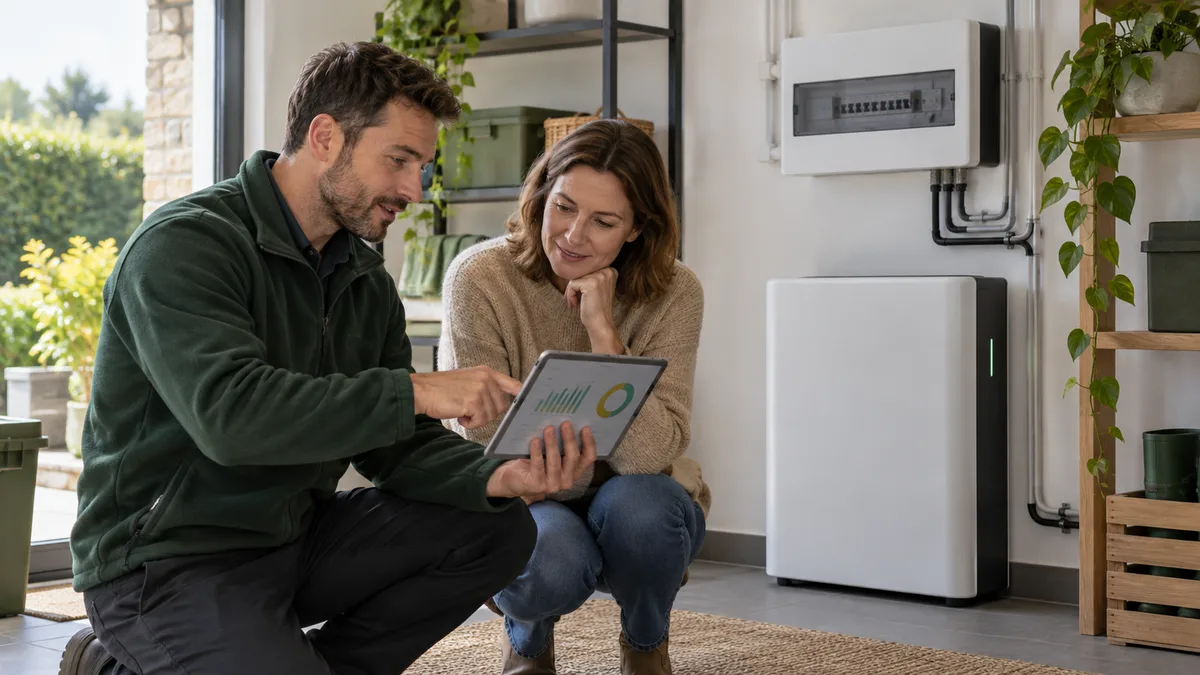
Battery assessment
We look beyond headline capacity so the proposed battery, inverter and operating mode work together with your property and energy plan.
From enquiry to stored energy
Step 1
We consider bills, solar generation, tariffs, major loads and what you want the battery to achieve.
Step 2
Capacity, power, inverter compatibility, location, export limits and backup scope are confirmed.
Step 3
The battery is configured, safety functions are tested and monitoring and operating modes are explained.
Battery FAQs
Storage is most useful when its capacity, power, controls and tariff strategy have a clear job to do in your home.
Tell us whether you have solar, when you use electricity and whether backup matters. We’ll review suitable capacities and compatible equipment.
Get a free battery quote